

Genre: Role-Playing Game (Single player)
Released: April 2026
Studio: Self
Platforms: PC/Mobile
Skill Focus: Level Design, Narrative Design, Puzzle Design,
Combat Design, Iteration & Tuning
Time Spent on Project: 20 years
Engine: RPGmaker2k3 + EasyRPG
A quick sidenote...
You might be asking yourself - "two decade development process?!" - as is often the response when hearing about Lufia V's extensive development. As a side project and fan-game, it was never the primary focus in my life, though it was ALWAYS a place where I could pour my design ideas within.
Furthermore, over those long two decades, the game had undergone three total redesigns as I advanced myself on my path as a designer. It's a true labor of love and an exemplary display of my growth through the years. I hope that you'll read on and discover more about the story of "Lufia V: For the Savior".
-Cameron Jay Bowman

SUMMARY OF CONTRIBUTIONS
While Lufia V began as a team effort in 2006, the team had largely moved on by 2008, leaving only myself. The project continued as a solo effort until 2026 - aside from testing and various smaller additions.
As such, my contributions are listed below.
Lufia V: For the Savior features the following:
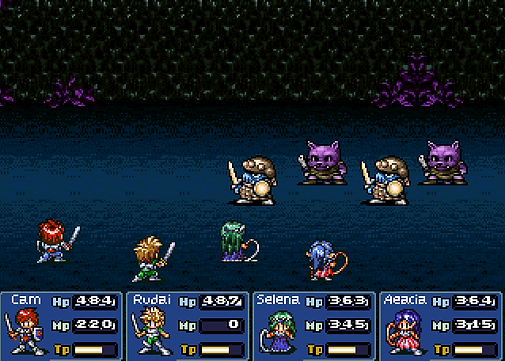
• 30+ hours of gameplay
• 25+ dungeons to explore
• 20+ towns bustling with people
• 100+ interactive puzzles
• 100+ unique spells/abilities
• Dozens of boss fights and over 100 different encounters


DUNGEON DESIGN
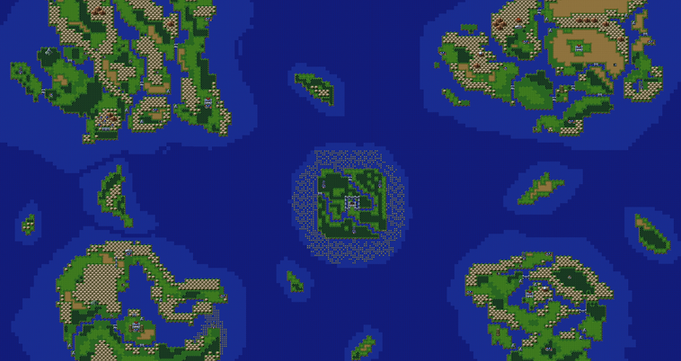
Eastland - the world of Lufia V - features over 20 full-size dungeons filled with puzzles, enemy encounters, and more. Each dungeon works to showcase new elements, with many puzzles growing upon previous puzzle solutions in order to solve. Furthermore, close detail is paid to keeping each subsequent dungeon unique through unique tilesets/biomes and exploration styles.
A few examples:
-
Towers - heavy in verticality, relies on spatial knowledge and provides a feeling of constant advancement as players strive to reach the top.
-
Shrines - loaded chock full of devious, head-scratching puzzles, players put their mind and understanding of skill items (items used exclusively for puzzles) to the test.
-
Caves - labyrinthine, hidden paths, circular level design, players proceed through in a largely non-linear fashion as they slowly discover the paths to the end.
Several variations of each exist and often also play into the ongoing narrative of the game.
For example:
On a continent beset by the forces of the Sinistral of Destruction, the dungeons are themed after disasters: a volcano set to erupt, an abandoned underground hideout plagued with earthquakes, a desert ruin in the midst of a sandstorm, etc.
Thanks to Lufia V Community Member -"Elm0_0" - for putting together the detailed maps shown here.
(Originally used for his fan-walkthrough!)

.webp)


.webp)
Jarea Tower - Early-Game Dungeon Example

Behemoth Hills - End-Game Dungeon Example
PUZZLES & "SKILL ITEMS"
Lufia II, from which Lufia V takes most of its inspiration, is known for its masterful puzzle design that utilizes "Zelda-style" items incorporated into finding their solutions. Instead of simply reusing all the existing "skill-items" (as they're known) I created 4 additional ones in which would allow me to make over 100 new and unique puzzles.
Skill Items (Re-used from Lufia II)
-
Sword - Slashes a sword in front of you, cuts bushes, activates certain switches, and also acts as a "move" (monsters in the Lufia series only move when the character moves)
-
Bomb - Bursts in 4 directions after 8 "moves", destroying walls or other obstacles. Can also be used with certain floor tiles and other puzzle elements.
Skill Items (New for Lufia V)
-
Glove - Enables the player to pull blocks that are directly adjacent to them. (Until unlocked, the player can only push blocks, a restriction that is never lifted in Lufia II.)
-
Magnet - Allows for pushing/pulling of objects from any distance as long as the player shares the same X or Y axis with the object. This also allows multiple objects to be pushed/pulled at the same time, creating all new puzzle encounters.
-
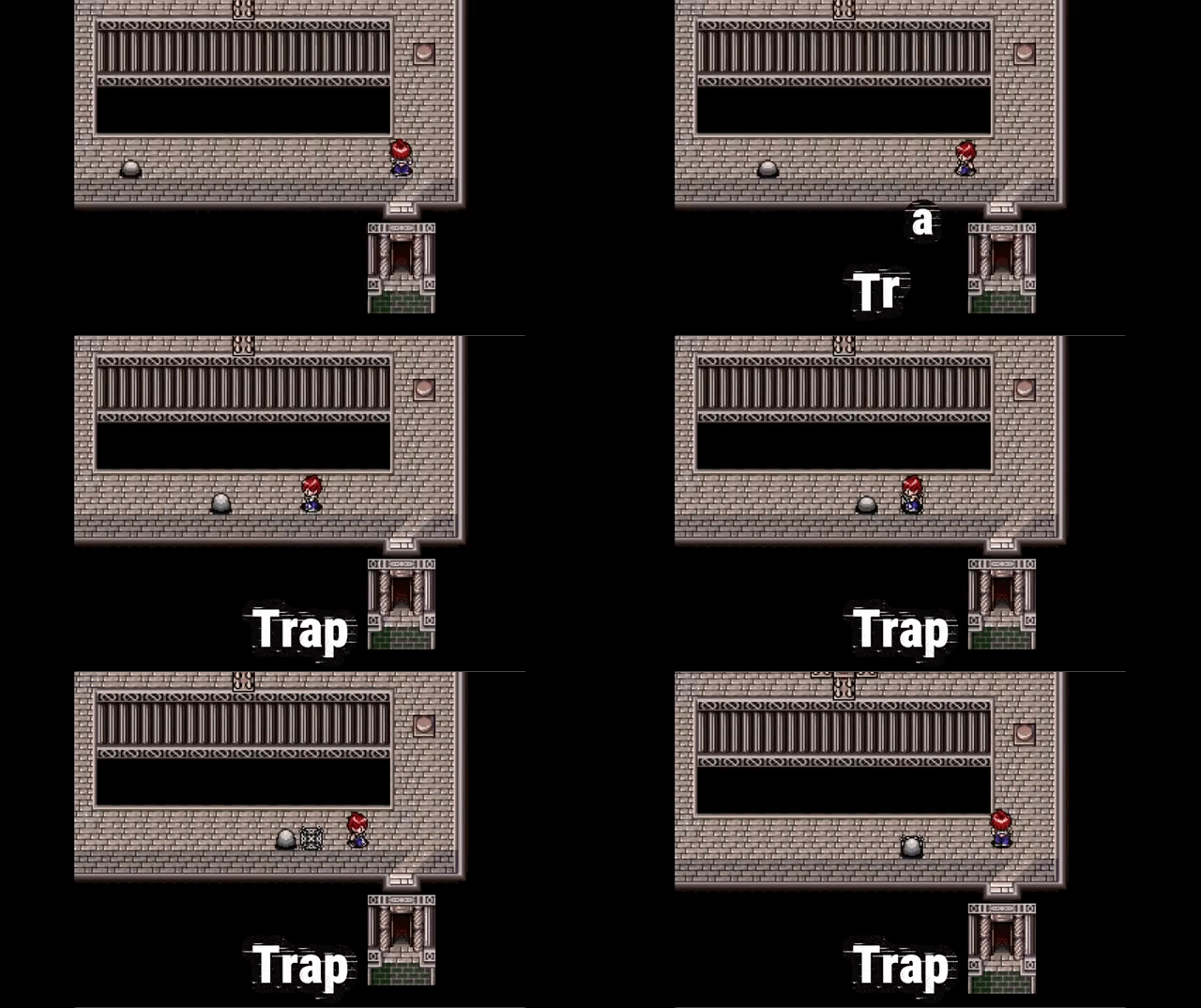
Trap - Placed on the ground, the player can then attempt to lead monsters onto it, once trapped, they are prevented from movement. By goading a monster onto a floor button, the button will be pressed - in using the trap, the button can remain pressed.
-
Shadow Gem - Acts as a "dimensional" hookshot-style item. When used while facing towards a "Shadow Pillar" the player moves through walls or over pits, blocks, rocks, and even enemies as they automatically fly towards the Shadow Pillar.
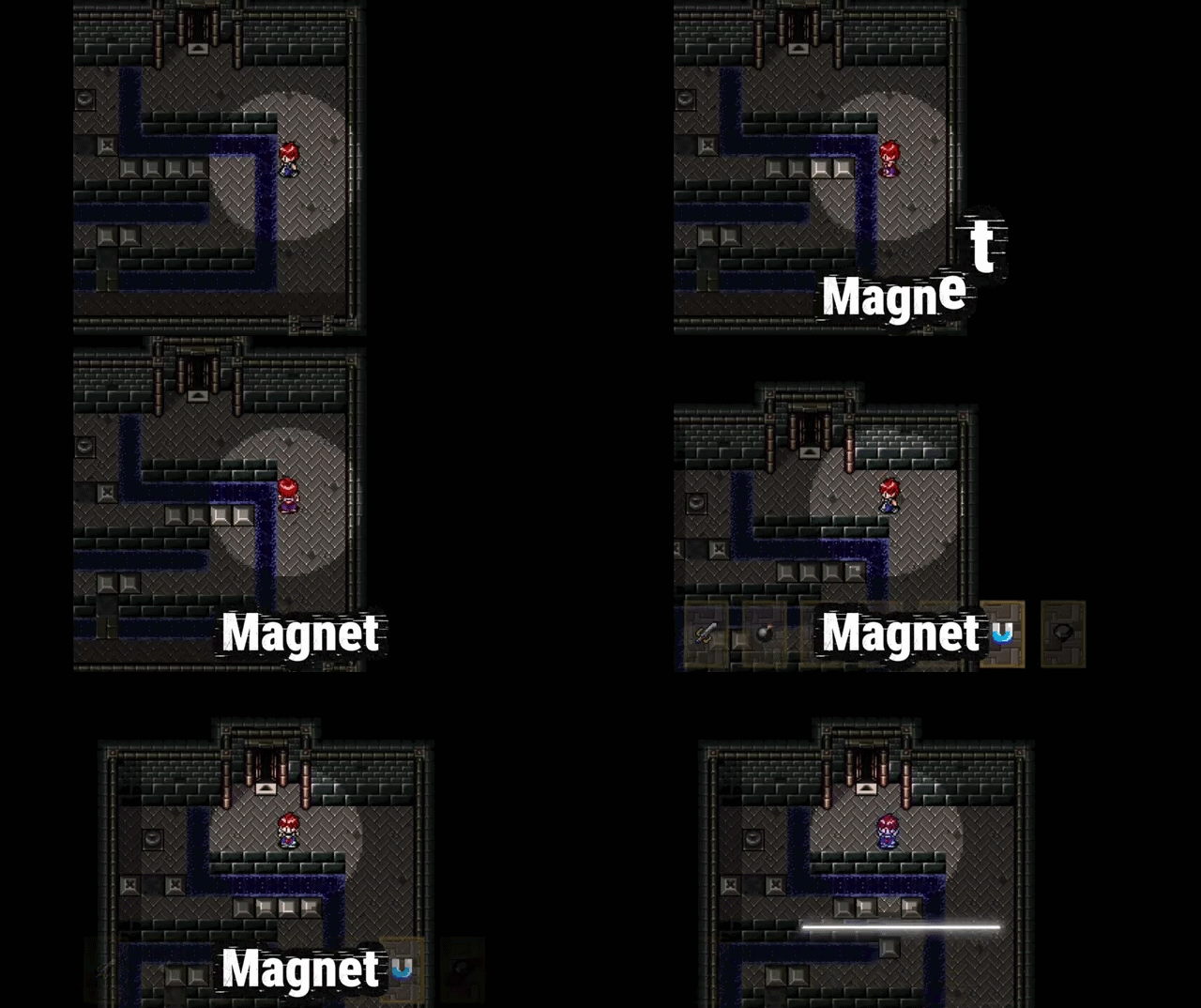
Allows for pushing/pulling far away blocks/objects
Stops enemies from moving if they walk on top of it
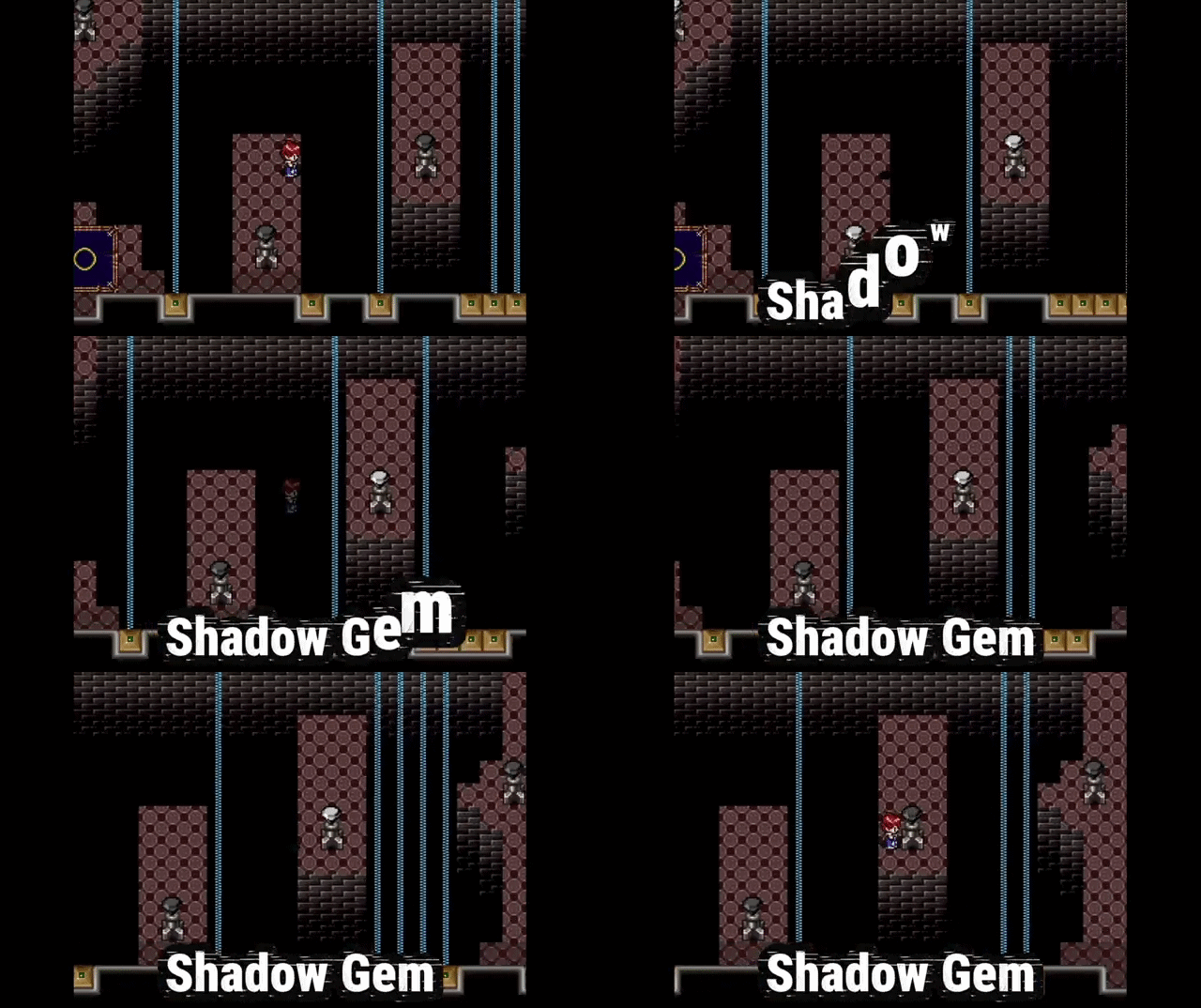
Allows for moving over gaps, walls and more
CONCLUDING THE LEGEND
Ask most any Lufia fan why they love the series - and they're sure to recount to you the tears shed upon experiencing the ending of Lufia II: Rise of the Sinistrals. The soul of the series can be seen in its primary themes, namely "Love". It's always at the front and center as the relationship between the hero, their companions and the friends made throughout the journey build, change and sometimes... lead to devastating heartbreak.
In presenting Lufia V: For the Savior's story, my goal was to take the primary themes of the series and show them in new and often more mature ways, while ensuring heavy feelings of nostalgia through tying the entirety of the series together (including the often ignored Lufia: Ruins of Lore). In doing so, players would feel "rewarded" for playing other games in the series, and ultimately feel it all come together in a final heartfelt conclusion.
Since release, the most positive feedback that I've received is that Lufia V instilled in players such strong emotions that, just as they did with Lufia II, 30 years ago... they found themselves shedding tears at some of the more impassioned or bittersweet moments of the narrative.
While it may sound silly, my own "test" for these scenes while creating them, was to play through them over and over myself - and if I ever felt that I lost the emotional feeling of the scene... then I'd remake it until it was strong enough to elicit the intended emotional response again.


